Cross-platform builds
One React Native or Flutter codebase producing genuine Android and iOS apps, with native modules where a feature actually needs them.
Android and iOS apps from a single codebase, published to the stores and sharing the same API and admin panel as your web product.
Two native codebases means two of everything: two builds, two bug queues, two sets of release notes. For the overwhelming majority of products — marketplaces, delivery and mobility apps, field tools, customer portals — cross-platform gets you the same result for roughly half the ongoing cost.
The app is rarely the whole job. Behind it sits an API, an admin panel for your team, push infrastructure and a release process. I build that side too, which is why the two stay in step.
One React Native or Flutter codebase producing genuine Android and iOS apps, with native modules where a feature actually needs them.
The API the app talks to, plus the web dashboard your team uses to run it — designed together so they never drift apart.
Routing, geofencing and live position updates — the core of any mobility, delivery or field-force product.
Razorpay, Stripe, UPI and in-app purchase flows, including the refund and reconciliation paths nobody scopes for.
Firebase messaging with segmentation and scheduling, wired to events in the backend rather than sent by hand.
Play Store and App Store listings, privacy declarations, review responses and the resubmissions that usually follow the first attempt.
A working session to pin down what the system has to do, who touches it and what already exists. You get a written scope, an architecture sketch and a realistic estimate before anything is committed to.
Data model, API surface and screens, agreed before the build. Designing against real data and real edge cases is what stops the rebuild three weeks in.
Working software every week against a staging URL you can open, rather than a big reveal at the end. Feedback lands while it is still cheap to act on.
Deployment, DNS and TLS, database migration, backups, monitoring and an handover walkthrough. The system goes live on infrastructure you own.
Optional retainer: security patches, feature work, performance passes and a person who already knows the codebase when something breaks.
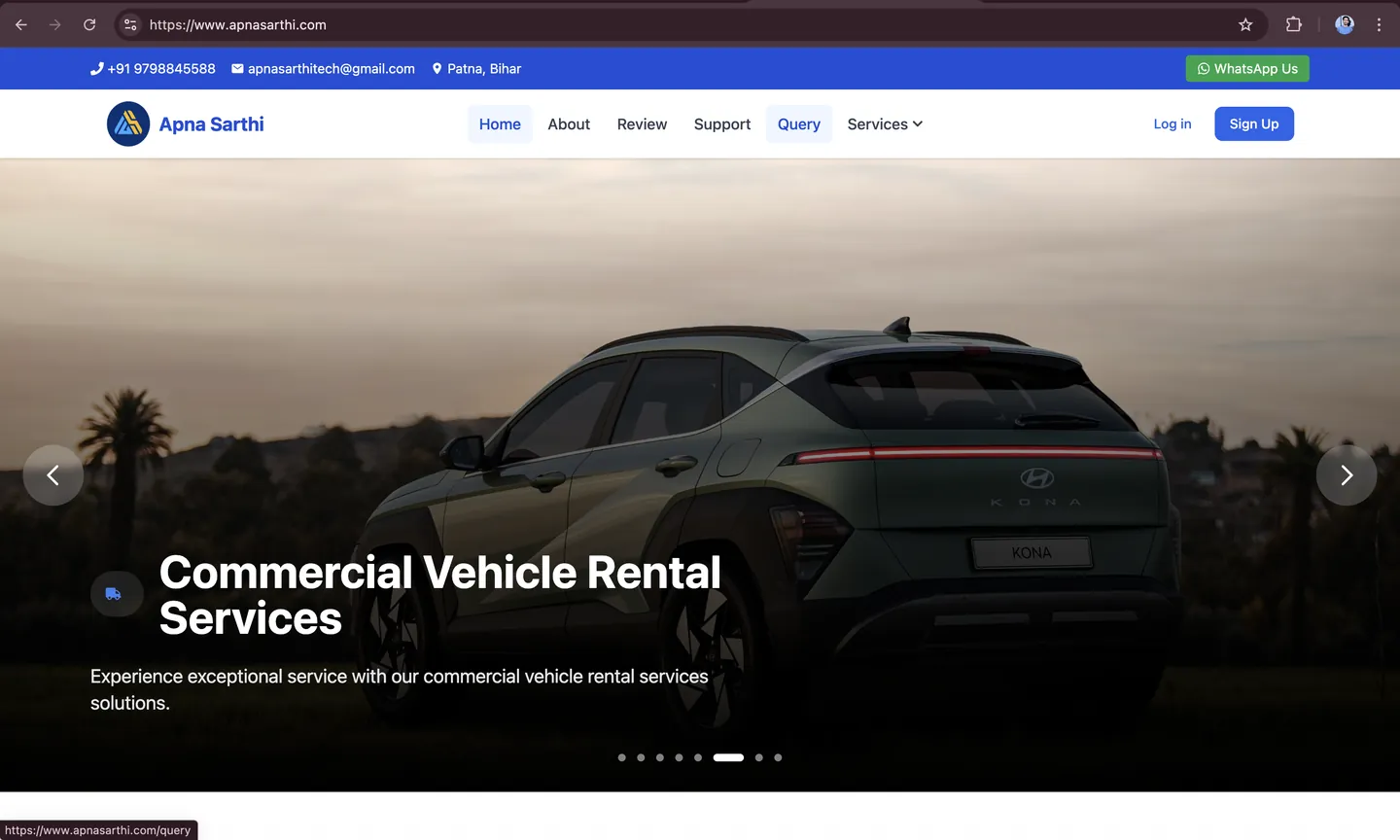
A mobility platform pairing a live operations dashboard with an Android app for drivers and riders, covering trip lifecycle and fleet management.
Read the case study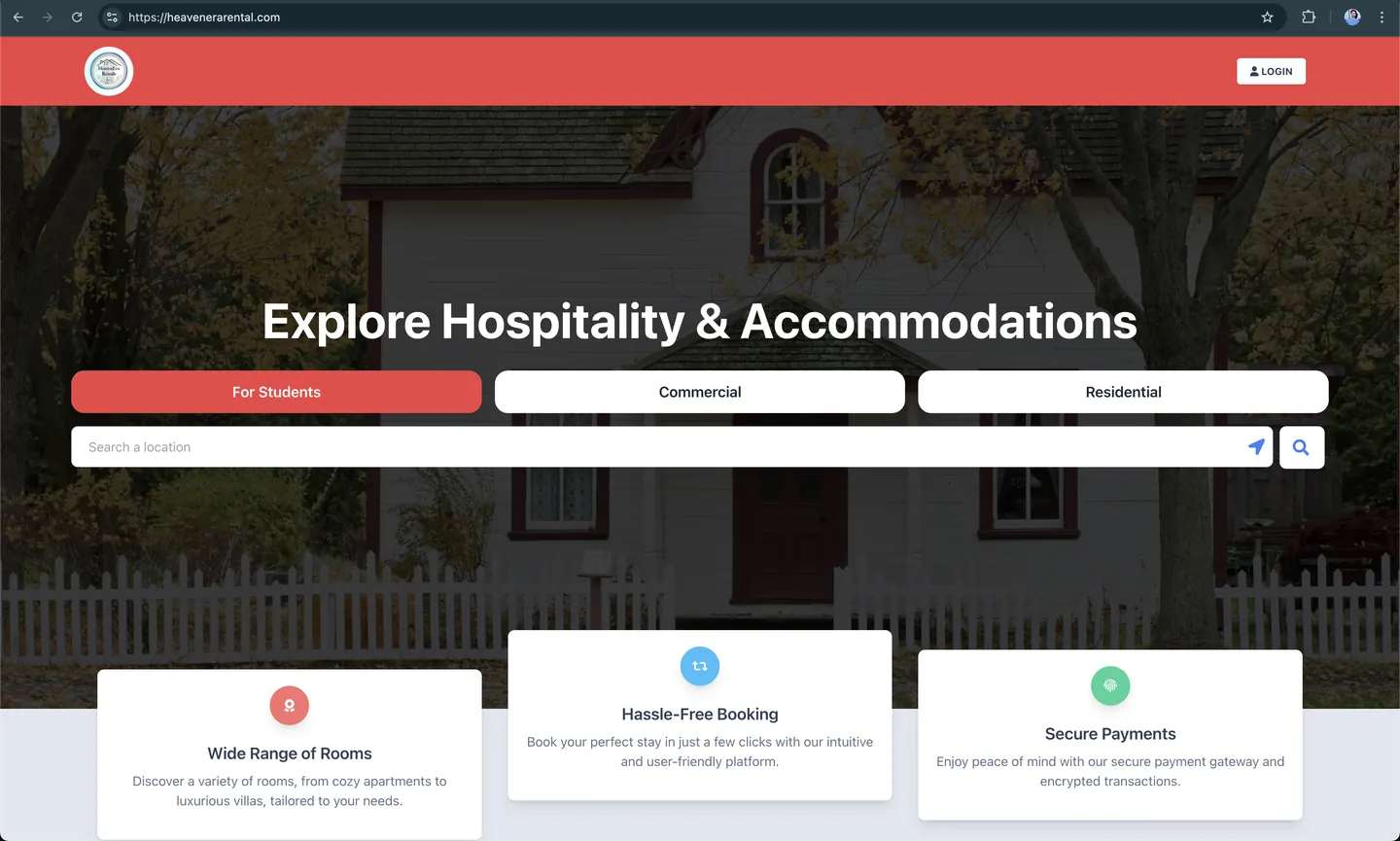
A property rental marketplace pairing a web application with a companion Android app — listings, search, bookings and payments.
Read the case studyIf your web front end is already React, React Native shares skills, patterns and often code. Flutter is the better pick for heavily custom UI that must look identical on both platforms. Either is a defensible choice — I will recommend one and explain why.
No. One build covers both. iOS adds cost only through the Apple developer account, device testing and the stricter review process.
Yes, and you should own it. I will set up the Play Console and App Store Connect accounts in your name and publish from there.
It can. Local storage with a sync queue is standard for field apps that lose signal. It does add real complexity, so it is worth deciding up front whether you need it.
Tell me what you are trying to ship. You get an approach, a timeline and a realistic estimate — usually within a working day.