New Django applications
Greenfield builds with a data model designed for where the product is going, not just the first release.
Django is what I reach for when a project has real domain logic, a back office and reporting to do — which is most of the systems worth building.
Django gets you an admin interface, an ORM, migrations, authentication and a security posture on day one. For line-of-business software that is an enormous head start, and it is why the hospital, school and ERP systems I have delivered run on it.
I work across the whole Django surface: data modelling and migrations, DRF APIs, Celery for background work, caching, query optimisation, and the deployment stack underneath. Including the parts that only show up under load.
Greenfield builds with a data model designed for where the product is going, not just the first release.
Versioned APIs with serialisers, permissions, throttling, pagination and documentation your mobile or front-end team can work against.
Fixing N+1 queries, adding the indexes that matter, select_related and prefetch tuning, caching layers and connection pooling.
Scheduled reports, bulk imports, notifications and anything else that has no business blocking a web request.
Moving legacy Django projects onto supported versions, and migrating from PHP or spreadsheet-driven systems without losing history.
Gunicorn, Nginx, Docker, static and media handling, environment-based settings and a deploy that is one command.
A working session to pin down what the system has to do, who touches it and what already exists. You get a written scope, an architecture sketch and a realistic estimate before anything is committed to.
Data model, API surface and screens, agreed before the build. Designing against real data and real edge cases is what stops the rebuild three weeks in.
Working software every week against a staging URL you can open, rather than a big reveal at the end. Feedback lands while it is still cheap to act on.
Deployment, DNS and TLS, database migration, backups, monitoring and an handover walkthrough. The system goes live on infrastructure you own.
Optional retainer: security patches, feature work, performance passes and a person who already knows the codebase when something breaks.
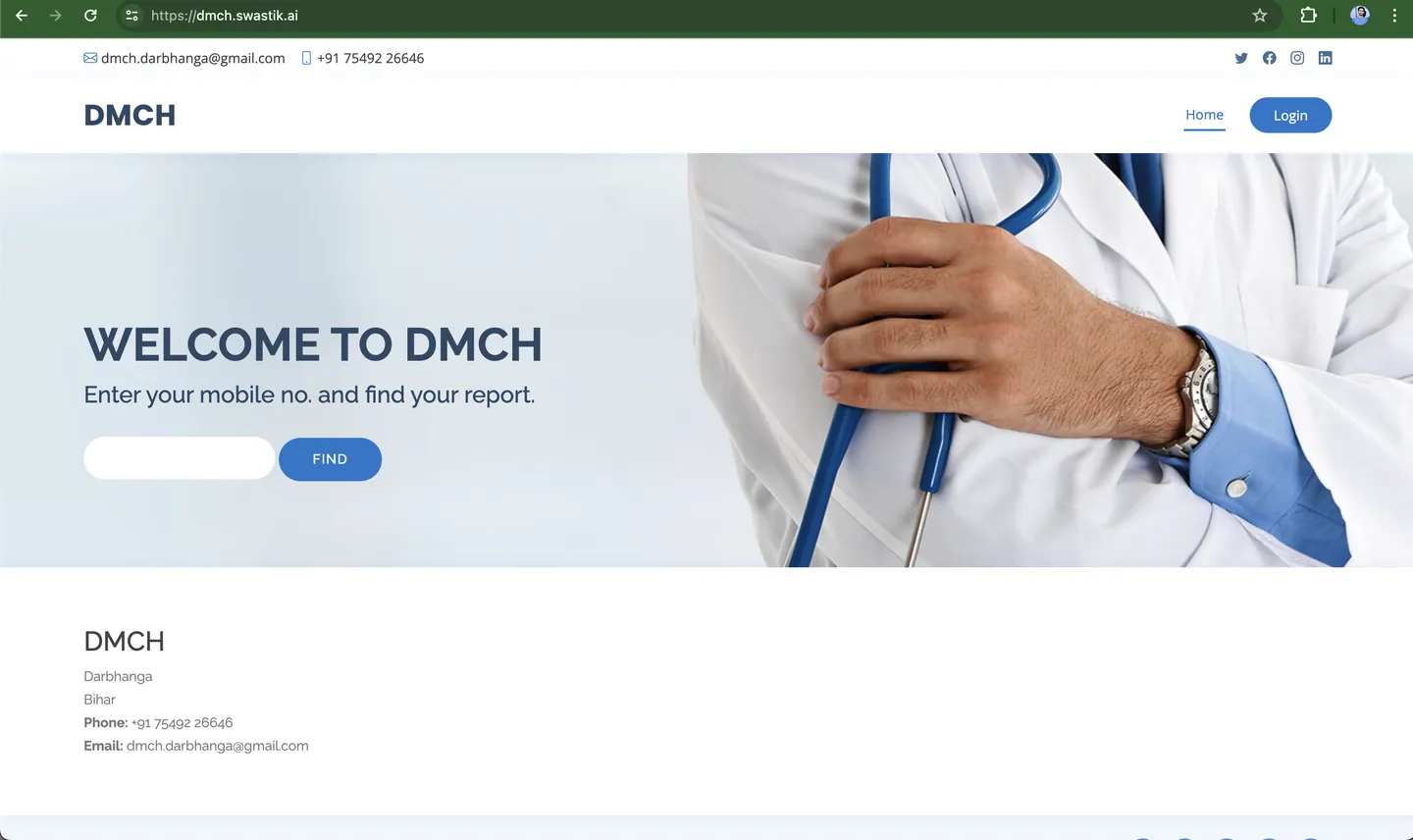
An end-to-end hospital management system covering patient registration, OPD and IPD workflows, billing, pharmacy, pathology, radiology, blood bank and medical records — running in production on a government medical college campus.
Read the case study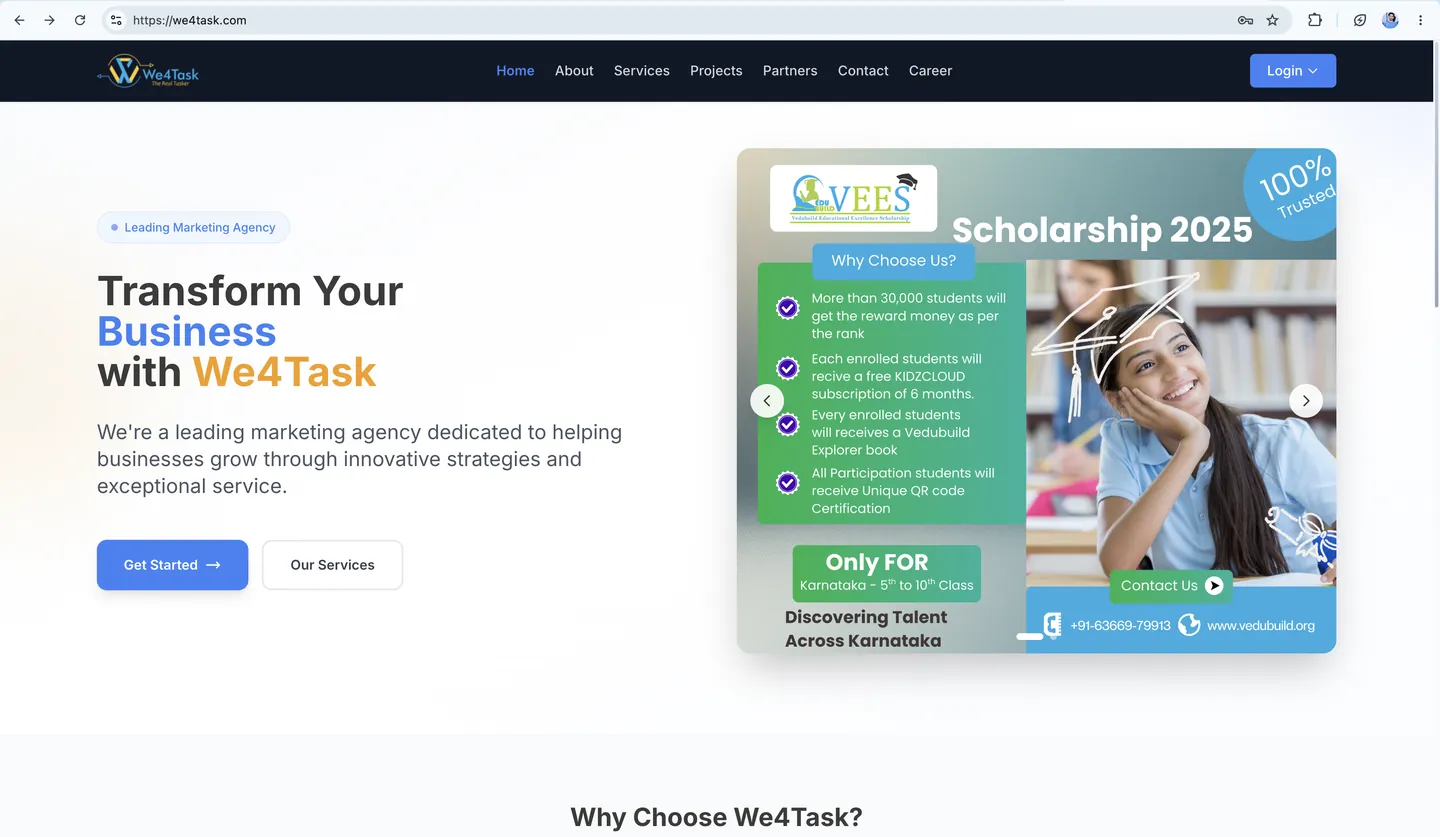
A customer relationship platform covering lead capture, pipeline stages, task assignment and team performance reporting.
Read the case studyYes — contract and part-time engagements work well, whether that is feature delivery, a performance push or a specific subsystem.
Django when you want the admin, the ORM and batteries included — which is most business software. FastAPI when you want a lean async API surface, which is often the right call for AI and ML services. I use both, frequently together.
Yes. It starts with an audit: what runs, what is tested, what is deployed and where the real risks are. You get a written assessment with options before any code changes.
For the parts where a defect is expensive — billing arithmetic, permissions, data integrity — yes, always. I do not chase a coverage number for its own sake.
Tell me what you are trying to ship. You get an approach, a timeline and a realistic estimate — usually within a working day.